Tim's Pronunciation Workshop
medium levelTim's Pronunciation Workshop: Have to
Episode 56/ 23 Sep 2014
4.6(546 ratings)·1,443 students
Transcript
Note: This is a transcript of a spoken conversation and is not a word-for-word script.
Tim
Hi. I'm Tim and this is my Pronunciation workshop. Here I'm going to show you how English is really spoken. It'll help you to become a better listener and a more fluent speaker. Are you ready? Come on, follow me.
Now, are you an early bird? Do you catch the worm? Do you even have the faintest idea what I’m talking about? Well, in English, an early bird is someone who gets up early in the morning. Now I hate waking up early, but because of my job sometimes I have to get up before 11 o'clock in the morning. I know - that's terrible, but I do it, just for you. Let’s find out about some other Londoners.
Voxpops
I have to get up in the morning at six a.m.
I have to get up at half past six every morning.
I have to get up in the morning at 6.45.
I have to get up at 8 o'clock.
I have to get up at 5 or 6 o'clock.
I have to get up at half six.
Now try this...
Practise your skills with more lessons from Tim's Pronunciation Workshop.
FreeRp139,000100% off
Gratis selamanya · Akses penuh
Go to full courseThis lesson includes:
- Video & audio streaming
- Downloadable PDF
- Full transcript
- Full access — free forever
Takeaways
Podcast
Tim's Pronunciation WorkshopLatest Tim's Pronunciation Workshop
Tim's Pronunciation Workshop: Assimilation of /t/ and /p/
Episode 46 / 23 Sep 2014
Tim talks pronunication: words that end with a /t/ sound
4.5(27,965)FreeRp169,000Bestseller
Tim's Pronunciation Workshop: Linking /r/
Episode 47 / 23 Sep 2014
Tim is looking at an aspect of connected speech called linking /r/.
4.3(24,193)FreeRp209,000
Tim's Pronunciation Workshop: 'Twinning' or Gemination
Episode 48 / 23 Sep 2014
What happens when one word ends in an /s/ sound and the next word begins with an /s/ sound?
4.0(24,610)FreeRp219,000Bestseller
Tim's Pronunciation Workshop: Elision of /t/
Episode 49 / 23 Sep 2014
What happens in everyday speech when a /t/ sound comes in between two consonant sounds?
4.0(24,270)FreeRp179,000Bestseller
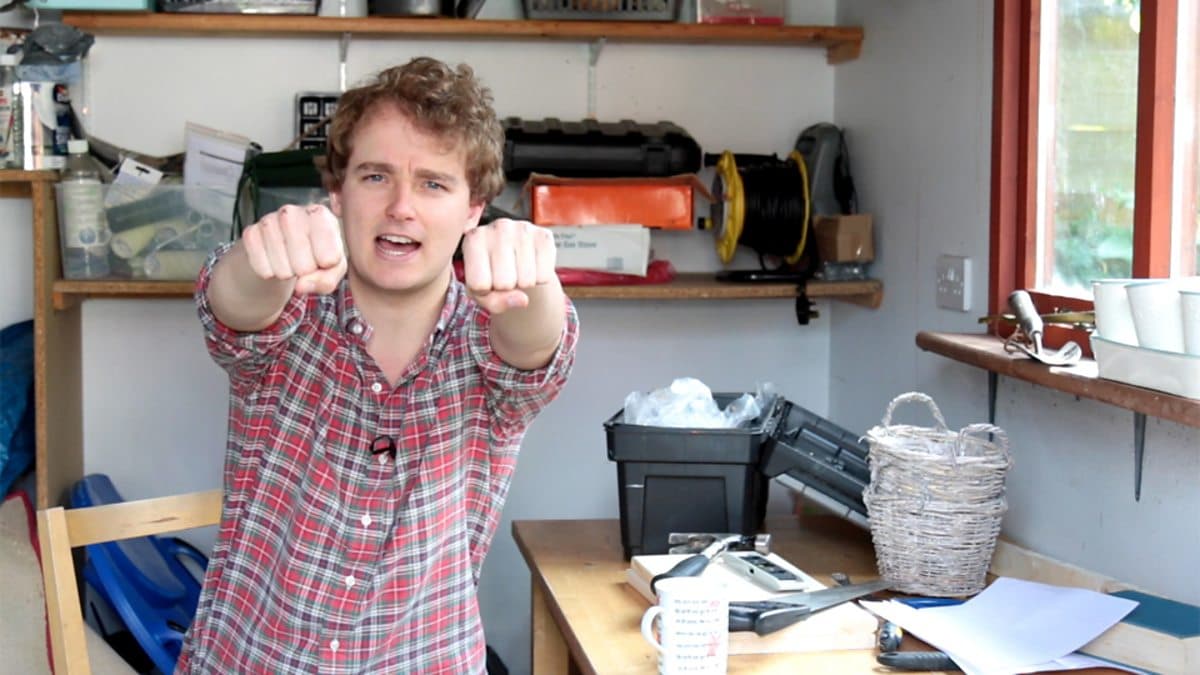
Tim's Pronunciation Workshop: Intrusive /r/
Episode 50 / 23 Sep 2014
Tim's talking about sounds that you can hear, even when they don't - or shouldn't - exist!
4.4(24,484)FreeRp159,000
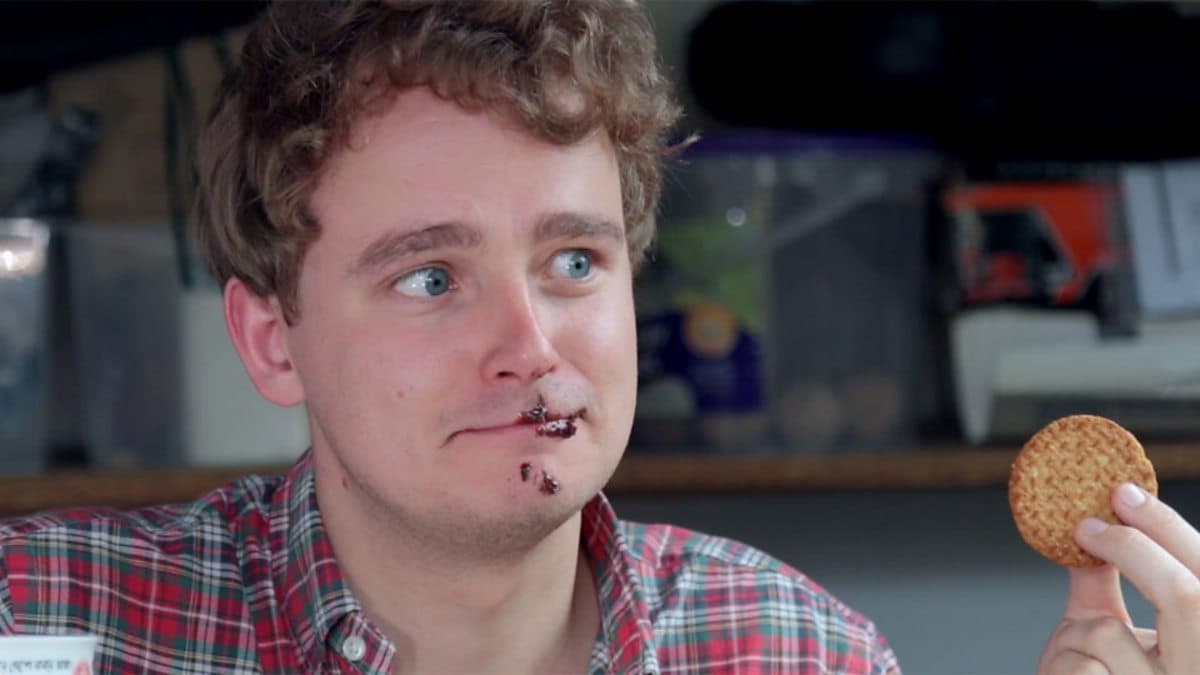
Tim's Pronunciation Workshop: Schwa
Episode 51 / 23 Sep 2014
Tim's looking at an aspect of spoken English called 'schwa'
4.4(20,764)FreeRp239,000

Tim's Pronunciation Workshop: Linking /w/
Episode 52 / 23 Sep 2014
Tim shows us how to join words together in spoken English with a linking /w/
4.0(2,050)FreeRp139,000Bestseller
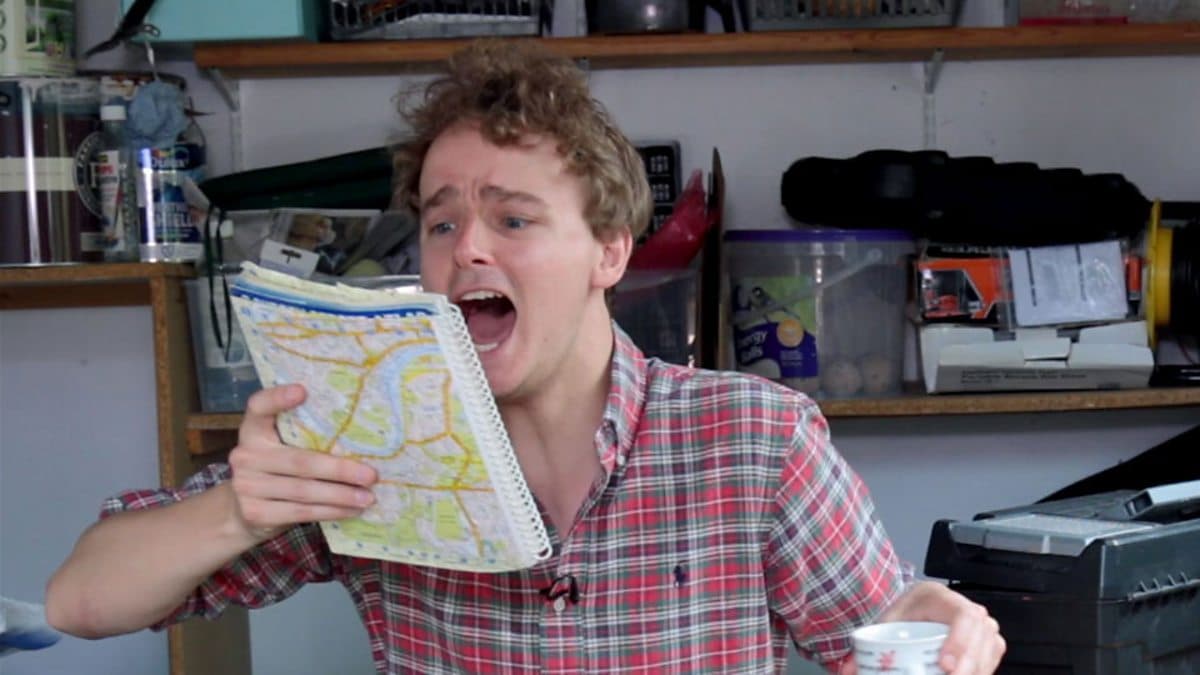
Tim's Pronunciation Workshop: Assimilation of /n/ followed by /p/
Episode 53 / 23 Sep 2014
Tim looks at an aspect of connected speech called assimilation of /n/ followed by /p/.
4.2(4,172)FreeRp159,000
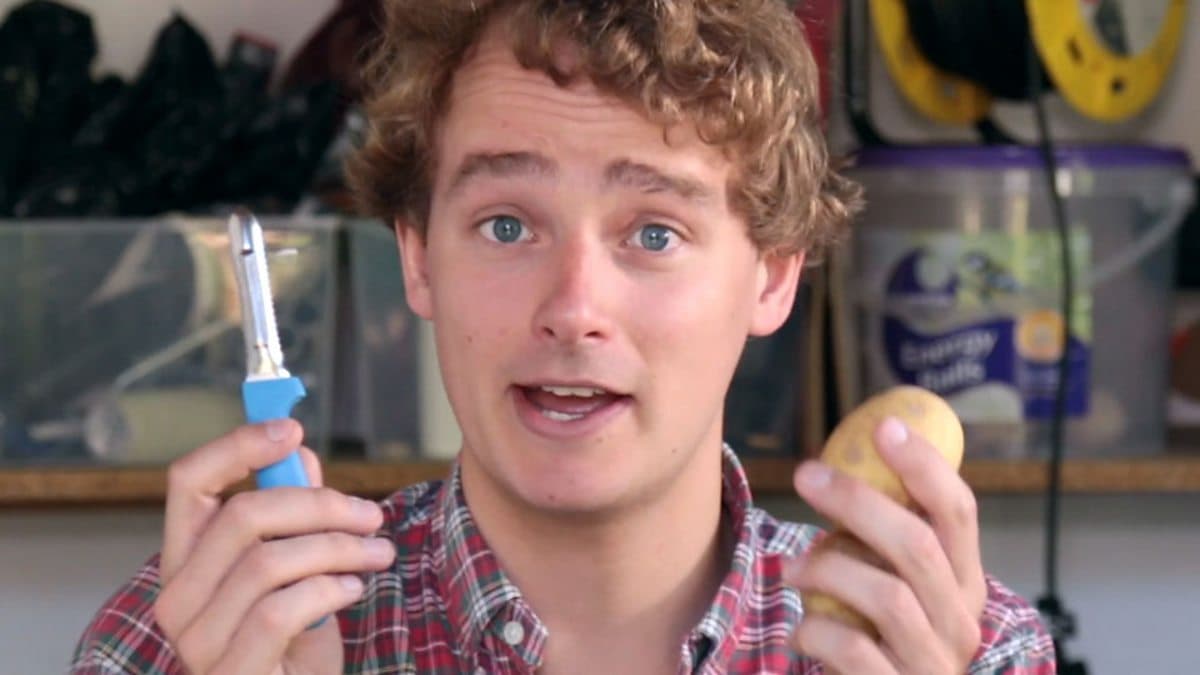
Tim's Pronunciation Workshop: Elision of /d/
Episode 54 / 23 Sep 2014
Tim looks at an aspect of connected speech called 'elision of /d/'.
4.6(7,366)FreeRp179,000

Tim's Pronunciation Workshop: Assimilation of /nd/
Episode 55 / 23 Sep 2014
What happens when a word or syllable ending in the sound /nd/ is followed by a word or syllable starting with a consonant sound? Tim explains...
4.4(20,754)FreeRp219,000